Although Xhorse XT27A, XT27B, and XT57B look similar, they are designed for very different vehicle generations and workshop needs. This comparison is based on real-world professional use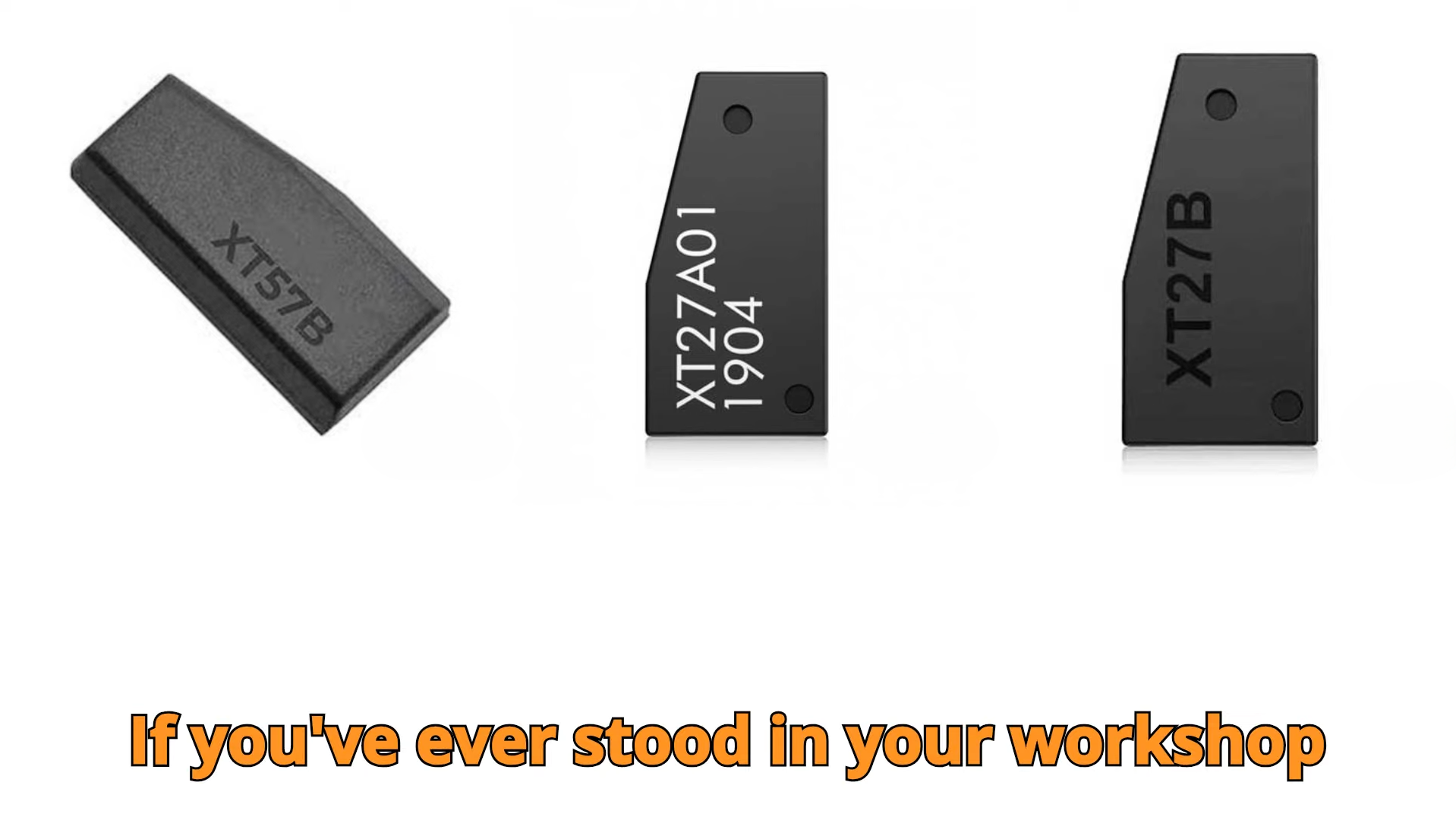
Key Differences Overview
| Feature | XT27A | XT27B | XT57B |
| Image | 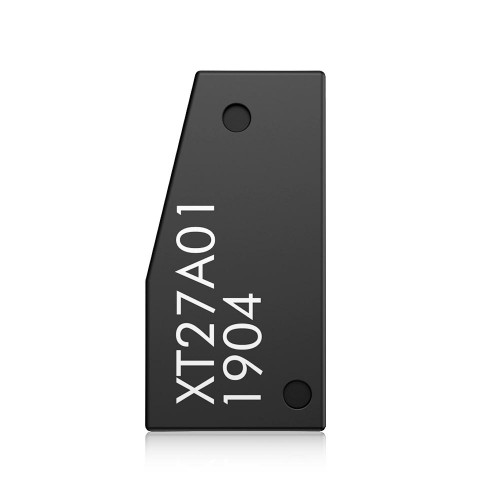 |
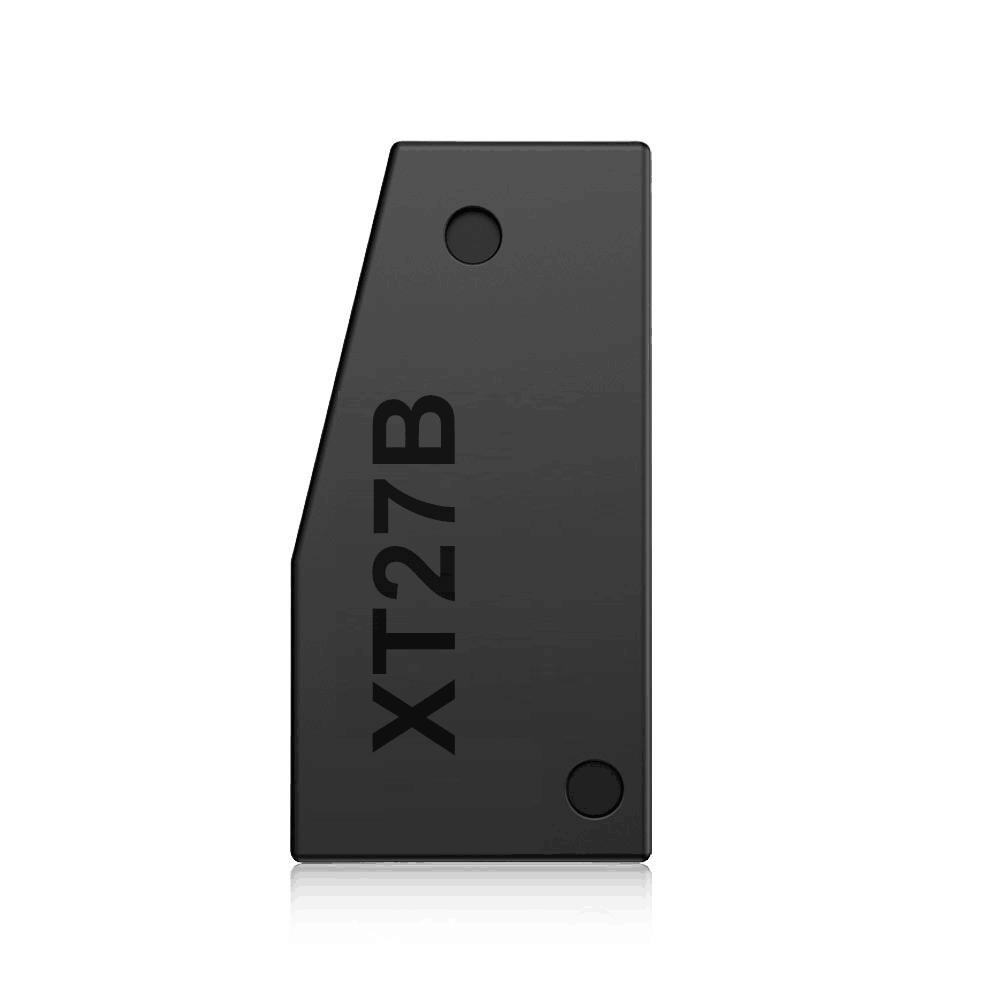 |
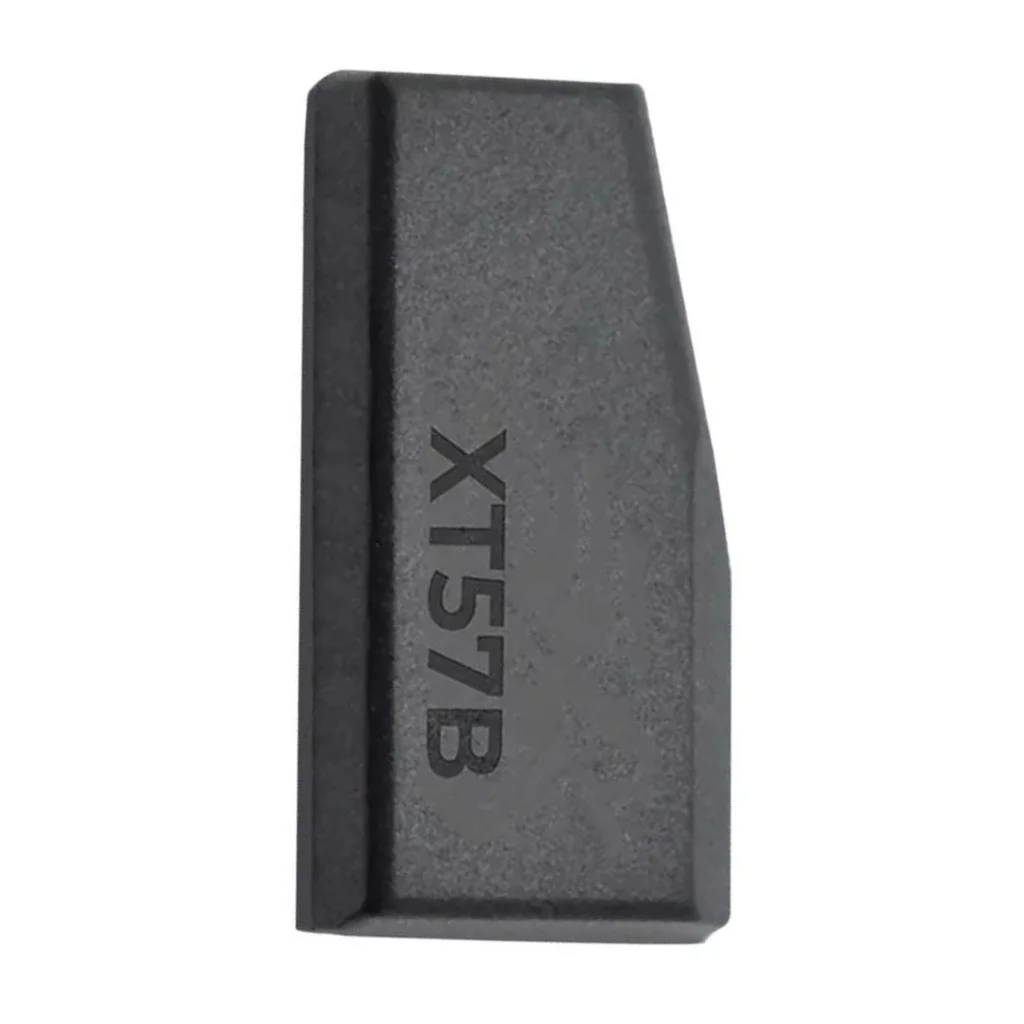 |
| Target Vehicles | Older / legacy vehicles | Mixed vehicle workloads | Newer European & VW MQB |
| Supported Protocols | PCF7930–7939, ID46, ID48 (C/8A/8H) | XT27A + ID49, ID4A | XT27B + ID5C, enhanced ID4A |
| Volkswagen Support | Limited | Good (VAG Group) | Advanced (VW MQB / NQB) |
| Rewritable | No | No | Yes (multi-use) |
| Stability | Basic | Improved & more reliable | Professional-grade |
| Cost Level | Low | Medium | Higher upfront |
Practical Use Scenarios
- XT27A is ideal for technicians working mainly with older vehicles and basic cloning jobs where cost control is important.
- XT27B offers the best balance for most professionals, with improved stability and broader compatibility, especially for Volkswagen Group vehicles.
- XT57B is designed for future-focused workshops, offering reusability and support for newer immobilizer systems, making it a long-term investment.
Final Recommendation
For most workshops, XT27B Super Chip is the safest daily choice. However, if your work frequently involves newer Volkswagen platforms, XT57B provides flexibility and long-term savings, while XT27A Super Chip remains suitable for legacy-focused tasks.